Braces are one of the most common and effective orthodontic treatments for improving the alignment of teeth and the bite. They can correct a wide range of dental concerns, including crooked, gapped, rotated, and crowded teeth, as well as many types of bite problems.
Braces use gentle, consistent pressure to gradually move teeth into healthier and more ideal positions. Treatment is customized for each patient based on their individual teeth, bite, jaw development, and orthodontic needs.
What Can Braces Treat?
Braces may be used to improve:
- Crowded or overlapping teeth
- Gaps and spaces between teeth
- Crooked or rotated teeth
- Overbites
- Underbites
- Crossbites
- Open bites
- Problems with the way the upper and lower teeth fit together
By improving the alignment of your teeth and bite, orthodontic treatment can make your teeth easier to clean and may improve chewing, function, and the overall appearance of your smile.
Types of Braces
There are several types of braces. The treatment option that is right for you depends on the type and severity of your orthodontic concerns, your dental development, and your individual preferences.
Metal Braces
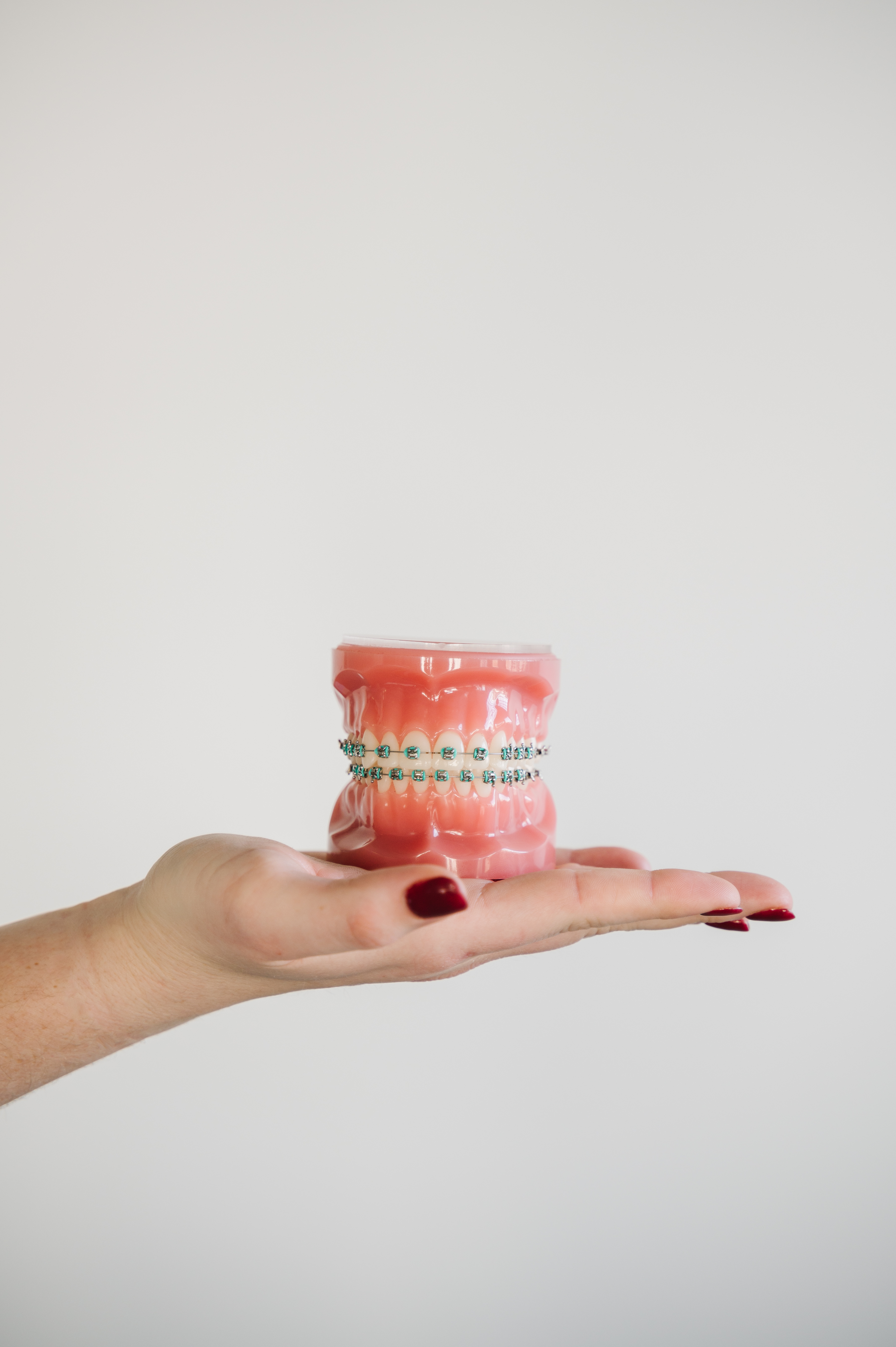
When you think of braces, traditional metal braces may be what you imagine. Metal braces use stainless steel brackets and wires to gently move your teeth over time.
Dr. Barrow will bond a bracket to each tooth and place a thin, flexible archwire through the brackets. Small elastic bands, called ligatures, hold the wire securely in place.
Metal braces are visible when you smile. You can choose clear or tooth-colored ligatures to make them less noticeable, or choose different colors to add some personality to your smile.
Ceramic Braces
Ceramic braces work using the same basic orthodontic principles as metal braces. The main difference is that the brackets are tooth-colored, making them less noticeable.
Ceramic braces can be a great option for patients who want the benefits of braces while having a more discreet appearance. They are still visible, but they blend more naturally with your smile.
Are Braces Right for Me?
Braces can be an excellent treatment option for children, teens, and adults, but orthodontic treatment is different for every patient.
During your consultation, Dr. Barrow will evaluate your teeth, bite, jaw development, and overall oral health to determine which treatment approach is best suited to your individual needs.
Depending on your specific orthodontic concerns, treatment may include traditional metal braces, ceramic braces, clear aligners, or a combination of orthodontic appliances.
Your treatment recommendation may depend on several factors, including:
- The type and severity of your orthodontic concerns
- The amount and type of tooth movement needed
- Your bite and jaw relationship
- Your age and stage of dental development
- Your oral hygiene
- Your ability to follow treatment instructions
- Your personal preferences
There is no single treatment option that is best for every patient. We will discuss the options appropriate for you and explain the advantages and considerations of each.
Benefits of Braces
Orthodontic treatment can provide both functional and cosmetic benefits.
- Improved alignment – Braces can straighten crooked, crowded, spaced, or rotated teeth.
- Improved bite – Braces can help improve overbites, underbites, crossbites, and open bites, which may improve chewing and overall bite function.
- Easier cleaning – Straighter teeth can be easier to brush and floss, helping you maintain good oral hygiene.
- Improved function – Correcting the alignment of your teeth and bite can improve the way your teeth work together.
- A more balanced smile – Orthodontic treatment can improve the overall appearance and alignment of your smile.
- Confidence – Many patients feel more confident when they are comfortable with the appearance of their smile.
What to Expect During Treatment
Once your treatment plan is established, your braces will be carefully placed and adjusted throughout treatment to gradually move your teeth into their planned positions.
You will have regular appointments so our team can monitor your progress and make adjustments as needed. During these visits, wires may be changed or adjusted, and other components such as elastics may be added if they are needed for your treatment.
It is normal to experience some pressure, tenderness, or mild soreness after braces are placed or adjusted. This typically improves as your mouth becomes accustomed to the changes.
Treatment time varies from patient to patient. The length of treatment depends on the complexity of your orthodontic needs, how your teeth respond to treatment, and how closely you follow your treatment instructions.
Taking Care of Your Braces
Taking good care of your teeth and braces is an important part of successful orthodontic treatment.
While wearing braces, you will need to:
- Brush carefully around your brackets and along the gumline.
- Floss or use an orthodontic flossing aid every day.
- Attend your scheduled orthodontic appointments.
- Avoid hard, sticky, or chewy foods that can damage brackets or wires.
- Follow instructions regarding elastics or other orthodontic appliances.
- Contact our office if a bracket becomes loose or a wire becomes uncomfortable.
Good oral hygiene during treatment helps keep your teeth and gums healthy and allows treatment to progress as planned.
How Long Will I Need Braces?
Every patient’s treatment timeline is different. Treatment length depends on the type and severity of the orthodontic problem, the amount of tooth movement needed, growth and development, and how well treatment instructions are followed.
During your consultation, we will provide an estimated treatment time based on your individual treatment plan.
What Happens After Braces Come Off?
Getting your braces removed is an exciting milestone, but orthodontic treatment doesn’t end there. Teeth naturally have a tendency to shift over time, which is why retainers are an important part of maintaining your new smile.
Once your braces are removed, we will provide a retainer and instructions for wearing it. Your retainer helps hold your teeth in their new positions while the surrounding bone and tissues adapt.
Wearing your retainer as instructed is one of the most important things you can do to protect your orthodontic results for years to come.
Questions to Ask at Your Consultation
We encourage you to ask questions and make sure you understand your treatment before getting started.
Some questions you may want to ask include:
- Which type of orthodontic treatment is best for me?
- What treatment options are available?
- How long is my estimated treatment time?
- How often will I need appointments?
- Will I need elastics or other orthodontic appliances?
- What foods will I need to avoid?
- How should I care for my teeth and braces?
- What should I do if a bracket or wire breaks?
- What happens if I miss an appointment?
- What is included in my treatment fee?
- Will I need retainers after treatment?
- How long will I need to wear my retainers?
Your Next Step
The first step toward a healthier, more confident smile is an orthodontic consultation. During your visit, we will evaluate your teeth and bite, discuss your treatment options, answer your questions, and create a personalized plan based on your individual needs.
Whether braces, clear aligners, or another orthodontic approach is recommended, our goal is to provide treatment that is comfortable, effective, and tailored to you.
Children can be evaluated before braces are needed. Learn about orthodontics for kids and treatment timing for every age, or compare clear aligners.
Barrow Orthodontics in Sioux Falls, SD, is accepting new patients! To schedule your initial appointment, call us at 605-335-6680.